



Understanding Flour Packaging Systems: From Material Behavior to Automated Packaging Solutions
Introduction
Flour is one of the most widely consumed staple ingredients in the global food supply chain, yet it is also one of the most challenging products to package efficiently. As a fine powder with strong flow sensitivity, dust generation, and moisture affinity, flour requires packaging systems that are carefully designed around its physical behavior rather than simply its volume. From small retail bags to mid-sized foodservice packs, the packaging process plays a decisive role in product stability, shelf life, hygiene, and logistical efficiency.
Modern flour packaging typically relies on automated systems that combine controlled dosing, stable conveying, and reliable sealing. Among these, two configurations are most commonly applied: vertical form fill seal systems paired with screw dosing and screw feeding, and premade pouch packaging systems integrated with screw dosing and screw feeding. Each approach reflects a different packaging philosophy shaped by format requirements, production rhythm, and downstream handling expectations.
Key Physical Characteristics of Flour and Their Packaging Implications
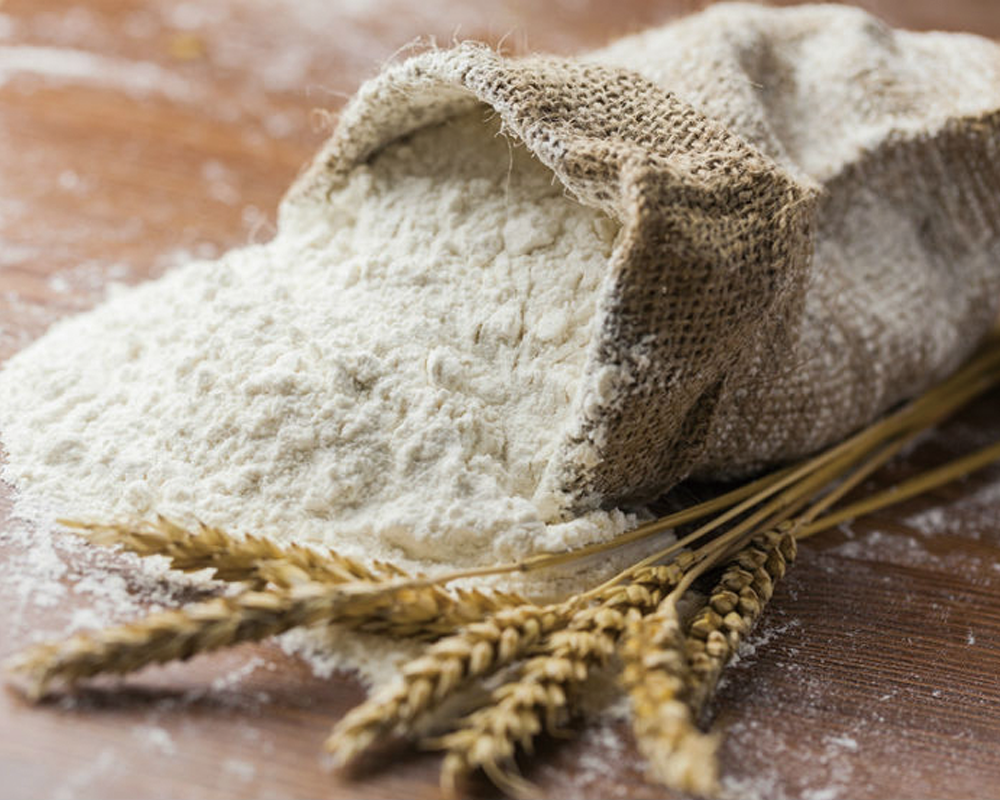
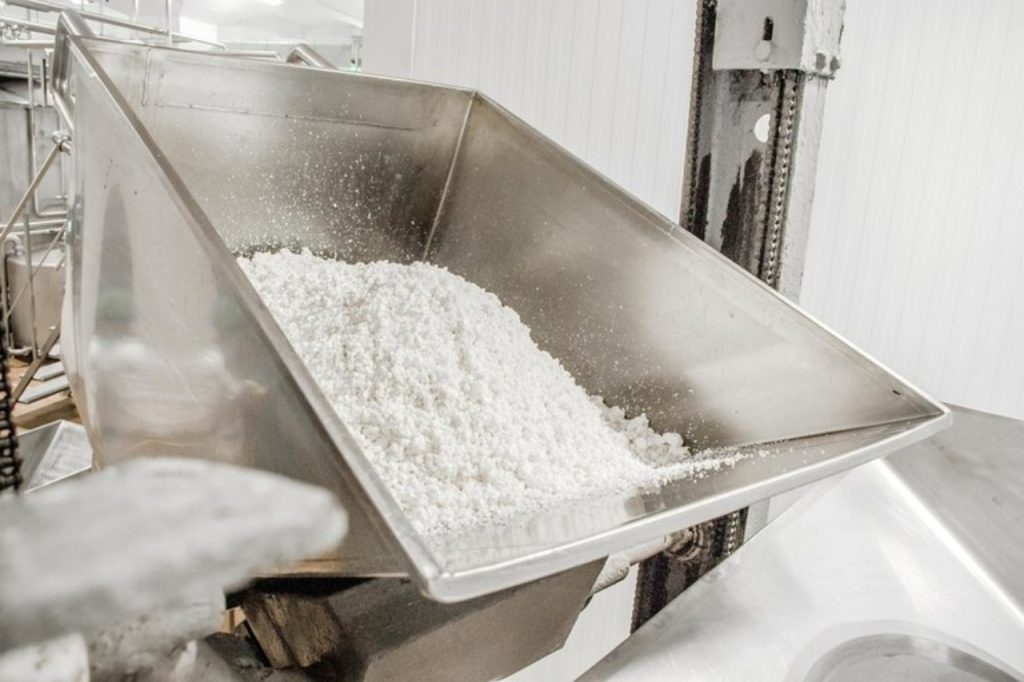
Flour behaves differently from granular or particulate products. Its particle size distribution is uneven, and its tendency to absorb moisture can lead to clumping, reduced flowability, and inconsistent dosing if not properly managed. During packaging, flour also generates airborne dust, which can interfere with sealing zones and compromise hygiene if extraction and control are insufficient.
Because of these characteristics, flour packaging systems are typically designed around volumetric consistency rather than free-flow gravity, relying on screw-based metering to regulate fill accuracy. Equally important is the feeding stage, where screw conveyors ensure a continuous, enclosed transfer from bulk storage to the dosing unit, minimizing contamination and environmental exposure.
Vertical Packaging Systems for Flour Applications
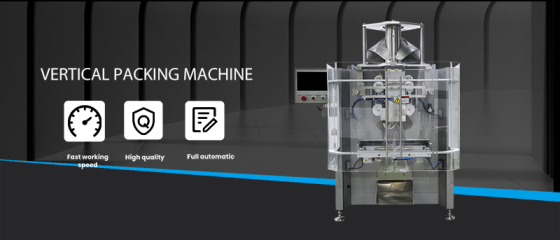
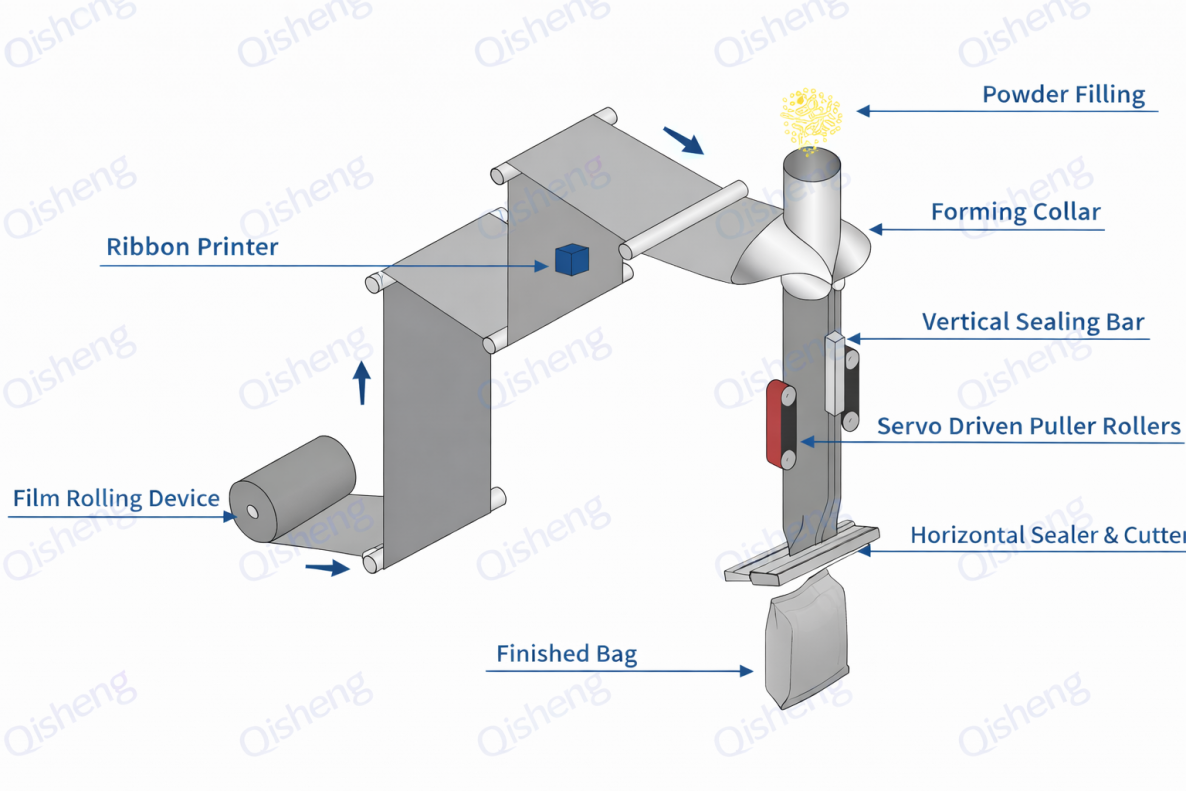
Vertical packaging machines are commonly used for flour due to their compact footprint and continuous production rhythm. In this configuration, flour is conveyed from a hopper via a screw feeder into a screw dosing unit positioned above the forming tube. The screw mechanism meters the flour into a forming bag created from roll film, which is then sealed vertically and horizontally to produce pillow-style or block-bottom packages.
This system is particularly well suited for standardized bag formats such as 200g, 500 g, or 1 kg flour packs. The vertical layout allows gravity-assisted filling once the screw releases the product, while the enclosed forming tube helps guide the powder cleanly into the bag. From an operational perspective, this approach emphasizes production efficiency and material economy, making it common in mills and flour processors supplying high-volume retail channels.
Premade Pouch Packaging for Flour Products
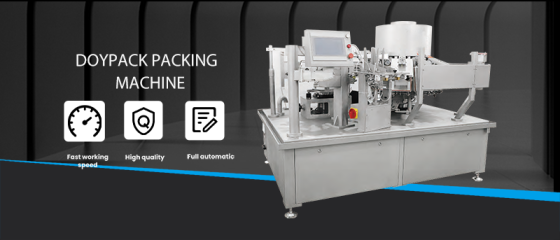
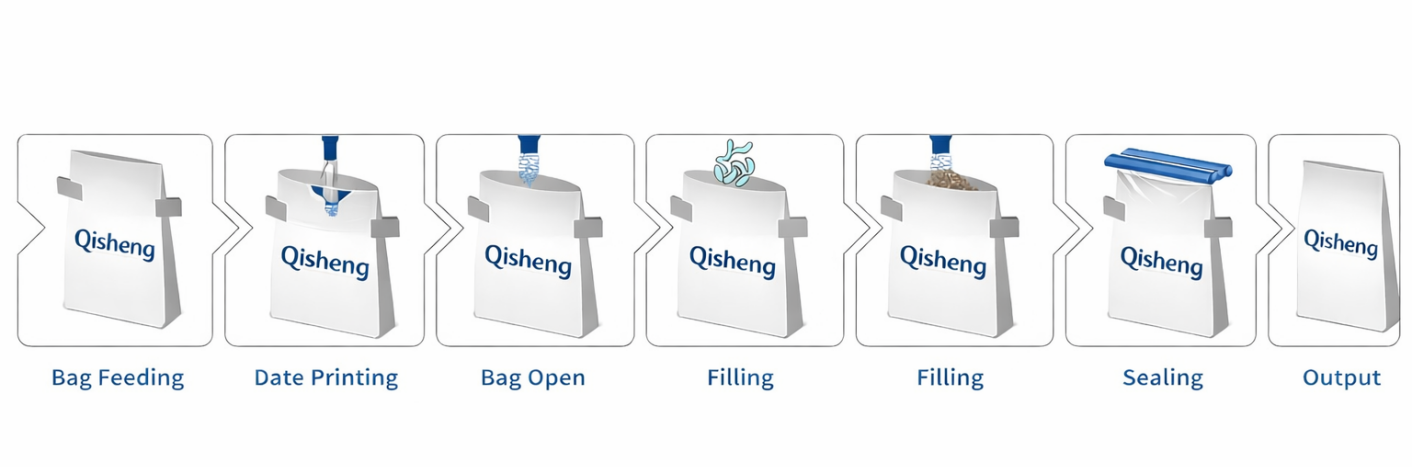
Premade pouch packaging introduces a different structural logic. Instead of forming bags from film rolls, pre-manufactured pouches are picked, opened, filled, and sealed in sequence. When combined with a screw dosing unit and screw feeder, this configuration enables precise flour filling into stand-up pouches, flat pouches, or zipper bags.
This approach is often favored when packaging design, shelf presentation, or resealability is prioritized. Because premade pouches typically have stronger seals and more rigid structures, they are well suited for premium flour products, specialty blends, organic flours, or small-batch formulations. The controlled opening and filling process also reduces dust dispersion around the sealing area, contributing to more consistent seal quality over longer production runs.
Role of Screw Dosing and Screw Feeding in Flour Packaging
Regardless of whether a vertical or premade pouch system is used, screw dosing and screw feeding form the technical core of flour packaging. The screw feeder ensures stable material delivery from bulk storage, while the dosing screw regulates fill quantity with repeatable precision. Unlike gravity-fed systems, screw-based dosing compensates for density fluctuations caused by humidity, milling variation, or aeration.
The synchronization between feeding speed, dosing rotation, and bag handling timing is critical. Properly tuned, this interaction allows flour to be deposited smoothly without surging or backflow, reducing both weight deviation and dust release. From a food safety perspective, the enclosed nature of screw systems also supports cleaner operation and easier compliance with hygiene standards.
Packaging Formats and System Compatibility
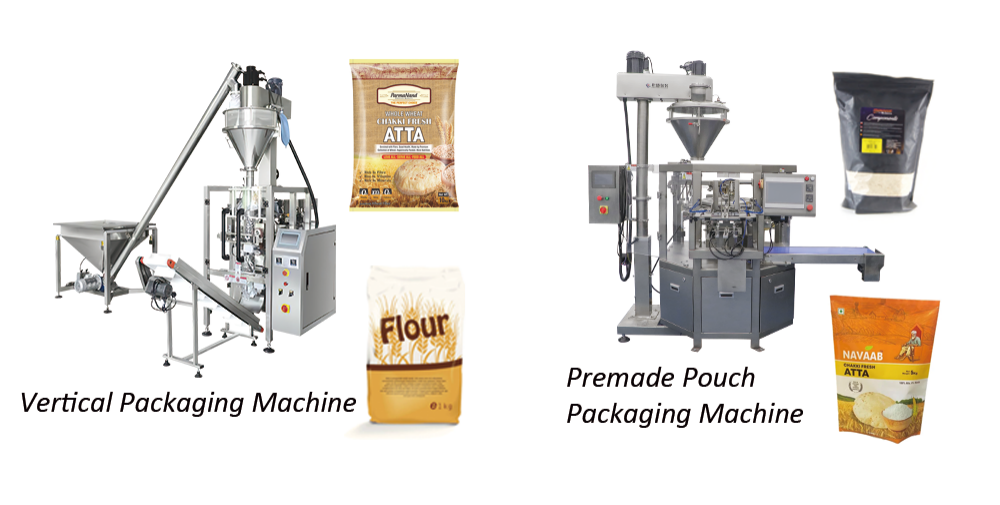
Packaging System Configuration | Typical Bag Formats | Key Functional Strengths | Suitable Production Contexts |
Vertical Packaging Machine | Pillow bags, block-bottom bags | High efficiency, low packaging material cost, compact layout | High-volume retail flour, standardized SKUs |
Premade Pouch Packaging Machine | Stand-up pouches, flat pouches, zipper bags | Strong seals, premium presentation, flexible bag design | Specialty flour, organic products, brand-focused packaging |
Operational Considerations and Production Environment
Choosing between vertical and premade pouch packaging for flour is rarely a matter of superiority; it is a matter of alignment with production goals. Vertical systems integrate seamlessly into continuous milling operations where speed, consistency, and cost control are paramount. Premade pouch systems, by contrast, offer adaptability in branding and packaging design, which can be decisive in competitive consumer markets.
Both systems benefit from careful attention to dust management, sealing cleanliness, and screw calibration. In practice, long-term packaging stability is achieved not through aggressive speed targets but through balanced synchronization between feeding, dosing, and bag handling.
Conclusion
Flour packaging is a technically sensitive process shaped by the material’s fine texture, flow behavior, and environmental sensitivity. Whether using a vertical packaging system or a premade pouch packaging system, the integration of screw dosing and screw feeding remains central to achieving accurate fills, clean operation, and reliable seals. By understanding how these systems interact with flour’s physical properties, producers can design packaging lines that prioritize consistency, hygiene, and operational clarity rather than unnecessary complexity.
In this sense, effective flour packaging is less about machinery choice alone and more about respecting the material logic of the product itself.
Related Cases
More >-
![Understanding Compact Four-Station Premade Pouch Packaging with 10-Head Weighing Integration]()
Understanding Compact Four-Station Premade Pouch Packaging with 10-Head Weighing Integration
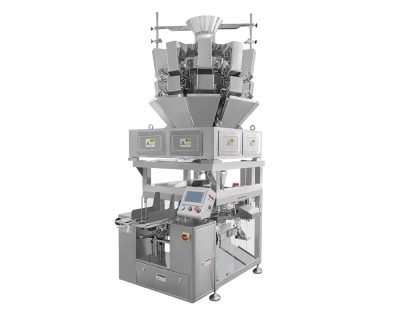
The four-station + ten-head weighing configuration is best understood as an engineering stance rather than a market alternative. It favors clarity of motion, controlled dosing rhythm, and spatial intelligence over maximal output. In manufacturing environments where packaging must accommodate variety, changeover, and incremental quality audits more than relentless speed targets, this system provides a technological vocabulary that feels proportionate to the work. Speed, in this context, is no longer the competitive metric. Instead, the value lies in the quiet predictability of pouch behavior, the consistency of sealing temperature and dwell, the repeatability of weight accuracy, and the physical humility of a machine that integrates into production rather than demanding space dominance.
-
![A Practical Guide to Brown Sugar Cube Packaging]()
A Practical Guide to Brown Sugar Cube Packaging
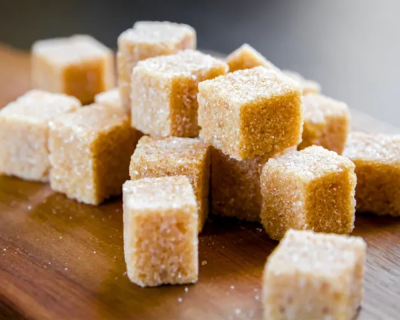
Brown sugar cube packaging is a good example of how product characteristics drive technical decisions in packaging design and equipment selection. The combination of moderate moisture, compressible structure, and sensitivity to environmental conditions means that the packaging system must protect both the physical integrity of the cubes and their sensory qualities over time.
-
![A Practical Guide to Laundry Pod Packaging: Materials, Protection, and Modern Packing Solutions]()
A Practical Guide to Laundry Pod Packaging: Materials, Protection, and Modern Packing Solutions
Laundry pods require packaging that aligns with regional safety standards. Markets like the US and EU often require child-resistant closures, clear warning labels, and high-barrier materials. Asian markets emphasize fragrance retention and transport stability. Across all regions, consistent sealing, material safety, and traceability are key quality measures. Sustainability is also becoming a major focus in this category. Many brands are now exploring recyclable films, lightweight pouch designs, energy-efficient sealing systems, and reduced-plastic structures, pushing the industry toward greener packaging solutions.
-
![A Comprehensive Guide to Gummy Packaging: Materials, Technology, and Best Practices]()
A Comprehensive Guide to Gummy Packaging: Materials, Technology, and Best Practices
Gummy packaging is a technically nuanced process involving barrier materials, portion accuracy, moisture control, and aesthetic design. By understanding the science behind product preservation and selecting the right packaging equipment—whether a premade pouch system for premium products or a VFFS line for high-speed production—manufacturers can ensure both product quality and efficiency. As consumer demand for gummies continues to grow, the packaging industry will play an increasingly vital role in shaping the safety, sustainability, and convenience of these popular treats.
-
![Exploring the 4-Station Premade Pouch Packaging Machine: Compact, Flexible, and Smart]()
Exploring the 4-Station Premade Pouch Packaging Machine: Compact, Flexible, and Smart
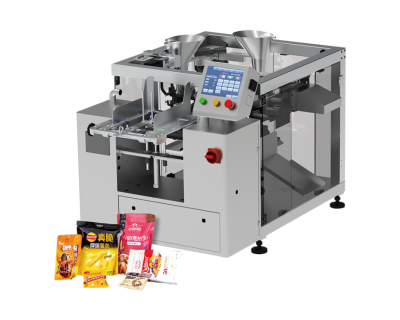
As automation technology continues to evolve, compact machines like the 4-station premade pouch packaging unit highlight how efficiency, intelligence, and flexibility can coexist in a single system. For small producers seeking a balance between productivity, precision, and affordability, this type of equipment offers a sustainable path toward modern packaging automation—helping businesses grow without outgrowing their space.
-
![The Science Behind Spicy Strips Packaging: From Material Selection to Automation Solutions]()
The Science Behind Spicy Strips Packaging: From Material Selection to Automation Solutions
Spicy strips packaging reflects the growing sophistication of the snack food industry. By integrating manual feeding with automated sealing, manufacturers achieve a perfect balance between efficiency, hygiene, and cost control. As consumer demand for ready-to-eat, high-quality snacks expands globally, semi-automated solutions like the premade pouch machine with chain-plate elevator feeding will continue to shape the next generation of spicy snack packaging.
-
![Beef Jerky Packaging: Precision, Freshness, and Efficiency in Modern Food Processing]()
Beef Jerky Packaging: Precision, Freshness, and Efficiency in Modern Food Processing
Beef jerky packaging sits at the intersection of technology, food science, and consumer demand. The combination of pre-made pouch packaging machines, multihead weighers, and Z-type elevators has transformed the way jerky products are handled, improving accuracy, speed, and hygiene. Through careful material selection, precise automation, and attention to sustainability, modern packaging ensures that every pouch of jerky reaches consumers as fresh, flavorful, and safe as when it left the factory. As the global snack market continues to expand, the role of intelligent, efficient packaging systems will only grow — shaping the future of how we preserve and enjoy one of the world’s most iconic protein snacks.
-
![Sauce and Liquid Packaging: Technology, Hygiene, and Automation in Modern Food Processing]()
Sauce and Liquid Packaging: Technology, Hygiene, and Automation in Modern Food Processing
The packaging of sauces and soups has transformed from simple manual filling to highly automated, hygienic, and flexible systems. The combination of a pre-made pouch packaging machine, pneumatic liquid pump, and agitated storage tank represents a modern solution that ensures product consistency, reduces waste, and safeguards food quality. As the global demand for ready-to-use liquid foods continues to grow, such intelligent packaging systems will remain essential for food manufacturers aiming to meet high standards of efficiency, safety, and consumer satisfaction.


Get the latest price? We'll respond as soon as possible(within 12 hours)